Most co-ops own the building and the land underneath it.
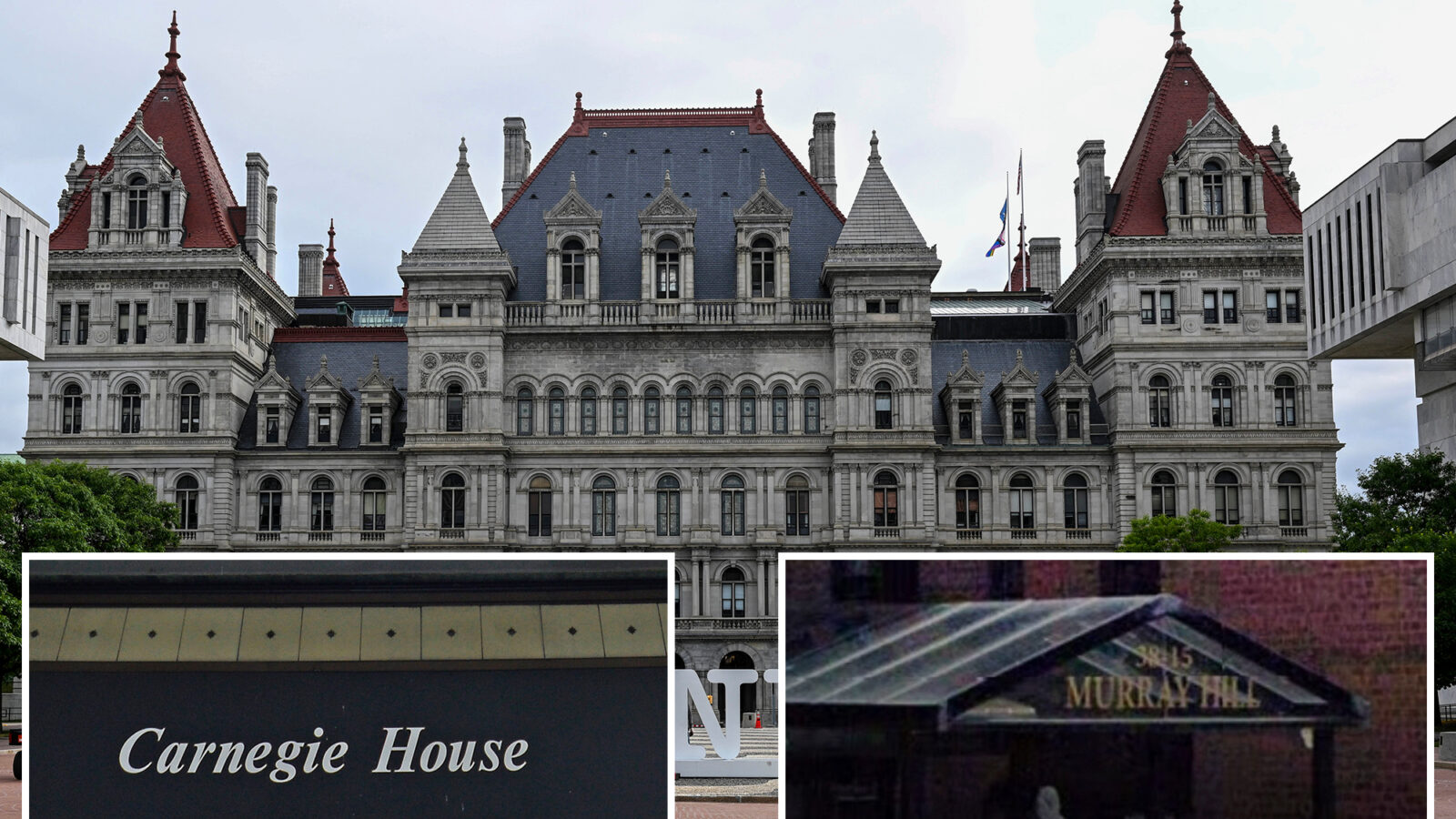
But there are about 100 co-op buildings throughout the city that have ground leases because someone else owns the land underneath the property — including the 324-unit Carnegie House on “Billionaire’s Row” — at 100 West 57th Street.
When the building’s lease is set to expire, an appraiser evaluates the land’s value, which is then used to negotiate a rent increase between the landowner and the co-ops.
The landowner could demand a big increase when the lease expires, correlating with higher market value of the building. Or negotiate a steep sale price for the land.
As The Post previously reported, the lease at the Carnegie House expires in March 2025, and the new landowner not involved in crafting the current lease said the rent should be based on what they paid for the building, quadruple the previous valuation.
Some old-time co-op tenants say they couldn’t afford such a steep price, and the end of the ground lease makes it difficult to sell the apartments.
The legislation introduced by Sen. Liz Krueger (D-Manhattan) and Assemblywoman Linda Rosenthal (D-Manhattan) would limit mass spikes in annual lease payments, much like limiting hikes for rent-stabilized apartments.
For shareholders in co-op buildings, higher costs would be paid through monthly and annual rental costs that support the buildings.
“Apartments in ground lease buildings are generally priced 20-30% below market value, leading some to believe that they are buying an affordable home. However, residents in buildings with ground leases pay higher than average monthly maintenance fees, and often face steep rent hikes once the ground lease expires,” Krueger and Rosenthal said in their memo in support of the bill.
Stay up on the very latest with Evening Update.
Please provide a valid email address.
By clicking above you agree to the Terms of Use
and Privacy Policy.
Never miss a story.
By clicking above you agree to the Terms of Use
and Privacy Policy.
“Some residents have difficulty selling their home, especially near the end of a ground lease term, since purchasing an apartment with an expiring ground lease is too risky for potential homebuyers,” they said.
They said it’s important to prevent homeowners from facing foreclosure and possible bankruptcy.
“This legislation will protect residents from exorbitant increases and ensure they receive a fair deal when negotiating rent increases once the ground lease expires,” the lawmakers said.
There’s heavy lobbying on both sides of the issue.
The Real Estate Board of New York and landowners are fighting to block it, claiming its limitations on increases in leases is a handout to well-to-do-co apartment owners.
“This bill is an unconstitutional solution in search of a problem. It is simply bad public policy to give a legislative handout to the millionaire co-op owners who bought their homes at cut prices years ago with full knowledge of these ground lease arrangements,” said Zachary Steinberg, REBNY’s senior vice president of policy.
Krueger disputed the claim that her bill is a bailout for the wealthy.