Δ
Thanks for contacting us. We’ve received your submission.
Princeton University is facing demands to fire a tenured professor once accused of being part of an Iranian campaign to murder the country’s enemies, The Post has learned.
The school is also facing a congressional probe into why it hired the professor, Seyed Hossein Mousavian — who lectures on Middle East security and nuclear policy — despite him being a former top Iranian diplomat steeped in Tehran’s regime of fear.
Mousavian was hired by the Ivy League school in 2009. Before that, he was a prominent figure in the Iranian government, both as a diplomat and editor of the Tehran Times, the English-language newspaper which is a mouthpiece for the regime.
He was Iran’s ambassador to Germany in 1992 when four dissidents were murdered in the back of a restaurant in Berlin in 1992, leading to an anti-regime group demanding he be stripped of his role at the Princeton School of Public and International Affairs.
The House Education and the Workforce Committee, chaired by Rep. Virginia Foxx (R-NC), is demanding to know what checks Princeton made and whether the Obama administration lobbied the school to give Mousavian a job.
“Mousavian’s troubling history of association with state-sponsored terrorism and human rights abuses demands decisive action from Princeton University’s administration,” said Lawdan Bazargan, a former political prisoner, human rights activist, and member of the US-based Alliance Against Islamic Regime of Iran Apologists.
When The Post reached out to Mousavian for comment, he declined to be interviewed but provided links to a previous interview which suggested “Zionists” were targeting him.
The group demanding that he be fired by Princeton alleges that when he was ambassador to Germany, 23 Iranians were killed in Europe for being enemies of the mullahs.
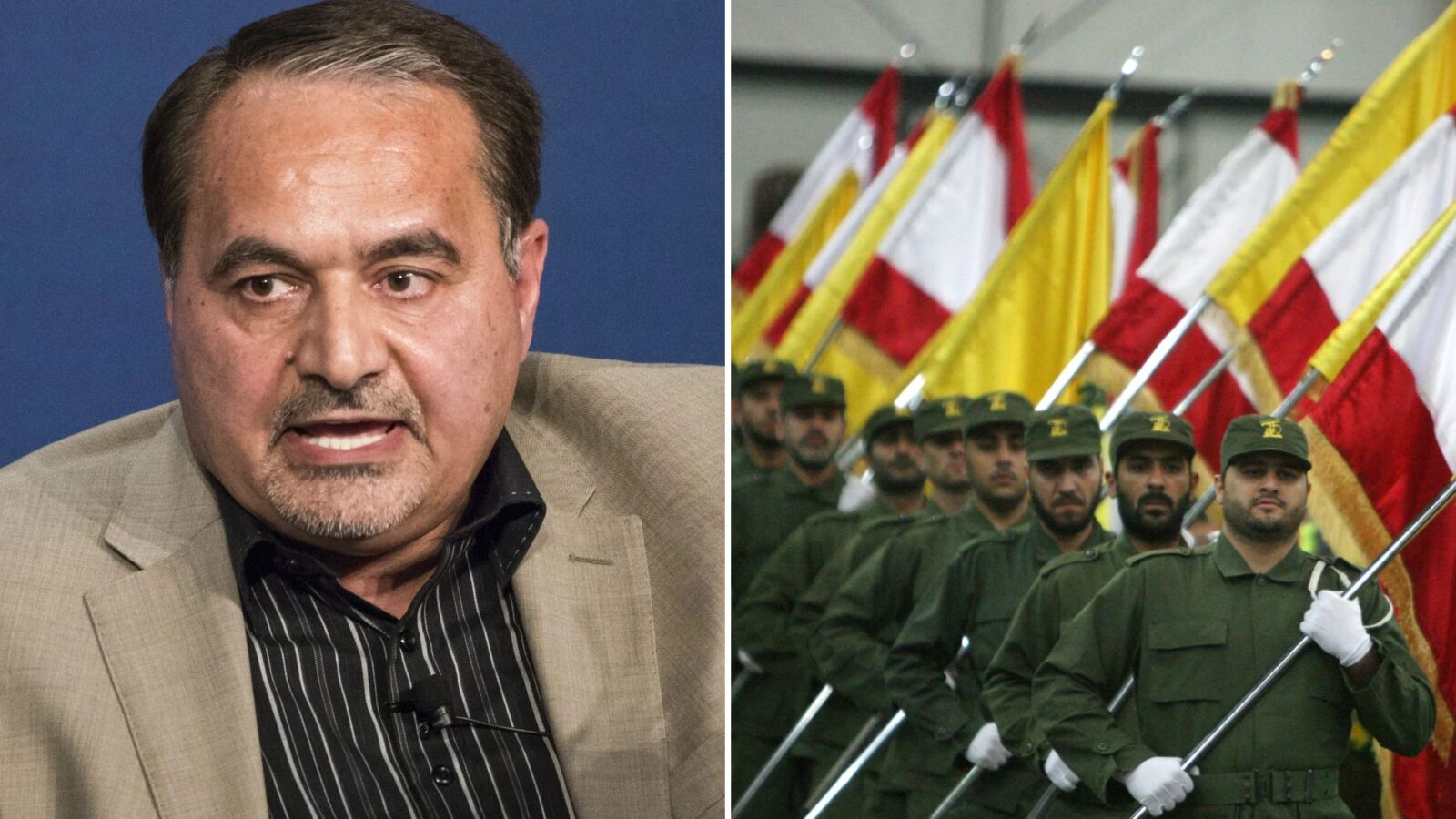
They included four Iranian Kurdish leaders gunned down by Hezbollah at a Greek restaurant in Berlin in 1992.
In 1997, a German court concluded that the Iranian leadership, including the foreign ministry, masterminded the murders and that the headquarters for plotting them was the Iranian embassy.
During the trial, Tagesspiegel reported that a former Iranian spy, Abolghasem Mesbahi, said under oath, “Mousavian was involved in most of the crimes that took place in Europe.
In 1997, a German court concluded that the Iranian leadership, including the foreign ministry, masterminded the murders and that the headquarters for plotting them was the Iranian embassy.
“Specifically, in Germany, it concerns the crimes that were committed against Iranian opposition members.
“Iran was always involved, even if German authorities were not always able to determine that the Iranian government had a hand in it.”
The verdict resulted in nearly all of the members of the European Union recalling their ambassadors from Tehran, the German newspaper Der Spiegel reported, and Mousavian being returned to Tehran.
The court’s final opinion did not name Mousavian, a point made in his defense by another Princeton professor, Frank von Hippel, in September last year when the House Armed Services committee asked why Mousavian was invited to an event held by the military’s Strategic Command, which runs the US nuclear deterrent.
Bazargan wrote to Princeton president Christopher Eisgruber this month that Mousavian’s “role in orchestrating violence against innocent civilians is a testament to his complicity in Iran’s nefarious activities, further highlighting the dangers of his continued presence at Princeton University.”
An online petition urging Princeton to remove Mousavian from his post was started by the group earlier this month.
The move came after Rep. Foxx demanded that Eisgruber tell her why Princeton is employing Mousavian, who she warned, “worked for the Iranian regime his entire professional life.”